
Madan, Krisstina
- Assistant Professor, Undergraduate Nursing , Nicole Wertheim Nicole Wertheim College of Nursing and Health Sciences
Overview
biography
-
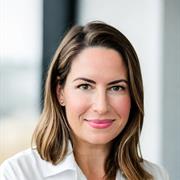
Krisstina Madan, DNP, APRN, FNP-BC, CDP is a Clinical Assistant Professor in the Undergraduate Nursing Program at the Nicole Wertheim College of Nursing & Health Sciences at Florida International University. A family nurse practitioner with over 15 years of clinical and academic experience, Dr. Madanâs work bridges practice, education, and community engagement. Her scholarship focuses on culturally competent dementia education, interprofessional collaboration, and innovative teaching strategies to prepare the next generation of nurses.
She is the creator of the Dementia Awareness and Education Video (DAEV) Series, developed as part of her DNP project and funded through the Erica Wertheim Zohar Community Mental Health Chair endowment. She also co-developed PAWS: Promoting Access and Wellness through Simulation, an AI-driven virtual patient simulation that enhances student learning in community and public health nursing. Dr. Madan has co-led interprofessional workshops, actively contributed as faculty to a Collaborative Online International Learning (COIL) initiative with Spain, and is a co-author of a forthcoming book chapter on inclusive palliative care for underserved populations (Springer Publishing, in press).
Dr. Madan maintains active community partnerships through the Dementia Care and Cure Initiative (DCCI) and serves as Leadership Succession Officer for Sigma Theta Tau International, Pi Alpha Chapter. She also co-chairs the CARE Student-Faculty Liaison Committee, an innovative program designed to improve student success, engagement, and faculty-student connection within the undergraduate nursing program. Her work consistently emphasizes equity, cultural responsiveness, and the integration of community partnerships to improve health outcomes in South Florida and beyond.
research interests
-
1. Dementia awareness, education, and caregiver support (culturally and linguistically tailored interventions)
2. Community-based health promotion and engagement in underserved populations
3. Innovative nursing education strategies (AI simulation, virtual learning, service-learning, COIL)
4. Interprofessional collaboration and team-based learning in healthcare education
5. Student success and engagement initiatives in undergraduate nursing education
6. Value-based care, primary care practice models, and quality outcomes
Scholarly & Creative Works
selected scholarly works & creative activities
-
Article
-
2024Empowering Communities: Culturally Competent Dementia Awareness Education for Older Adults in Miami‐Dade County. ALZHEIMERS & DEMENTIA. 20:e093012.Full Text via DOI: 10.1002/alz.093012
-
-
Book Chapter
-
Conference
-
2024It Takes a Village: Igniting a Dementia Movement. Ed. Gordon, Vanessa.
-
Creative Work Or Production
-
2023DAEV Video: Carmen – Cape Verdean Caregiver. Ed. Madan, Krisstina.
-
2023DAEV Video: Grizelle – Cuban-American Caregiver. Ed. Madan, Krisstina.
-
2023DAEV Video: John – American Caregiver. Ed. Madan, Krisstina.
-
-
Other Scholarly Work
editor of
-
Conference
-
Creative Work Or Production
Videos
videos
Contact
full name
- Krisstina Madan
Identifiers
ORCID iD
- https://orcid.org/0009-0008-1229-5105 (confirmed)

